Compact Condition Monitoring Sensor Solutions SV5 Tethered Sensor for Remote and Hard-to-Access Spaces

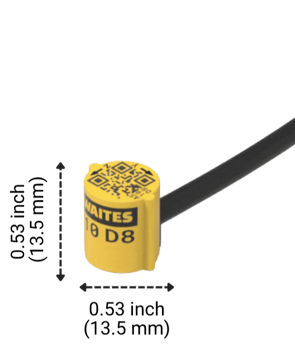
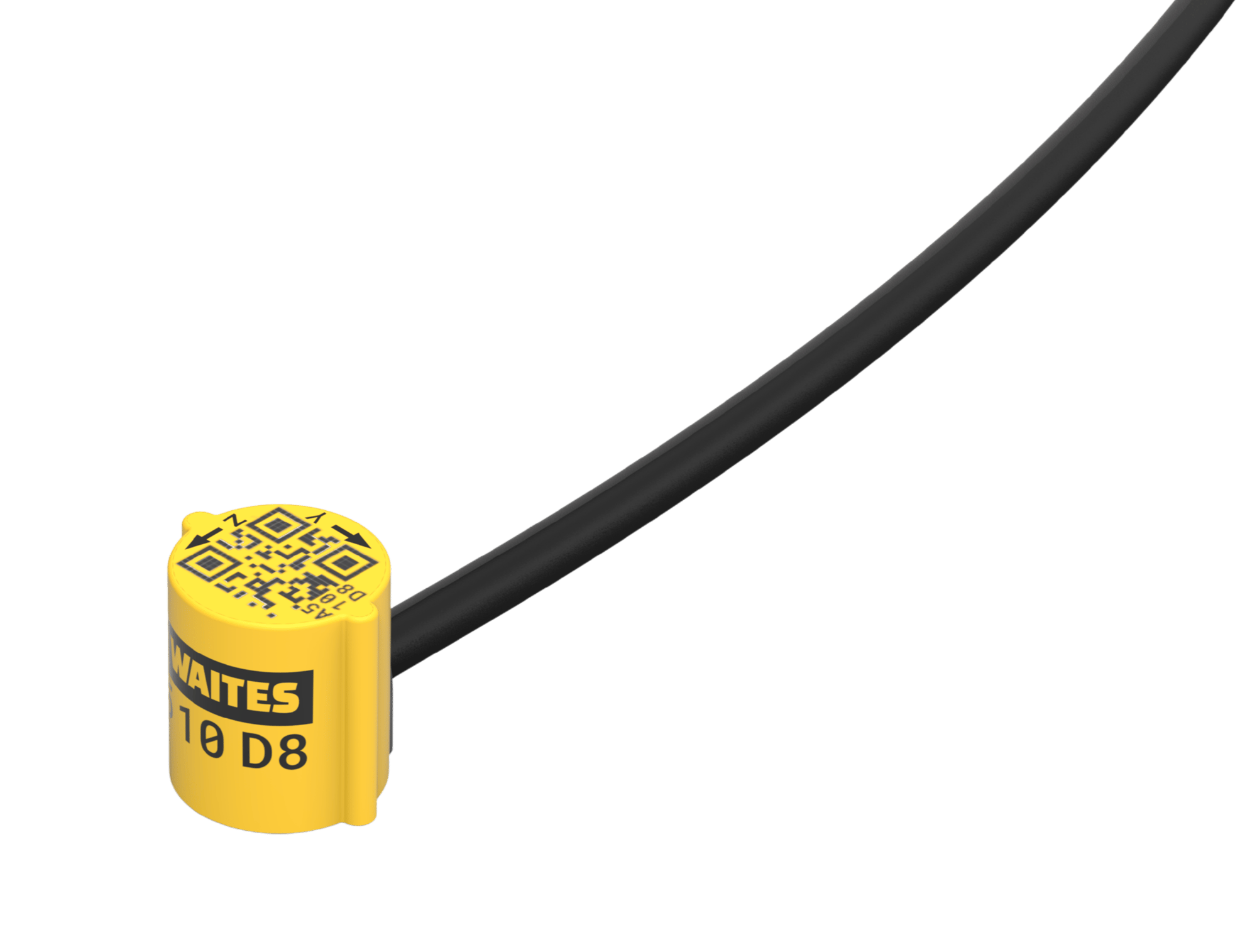
The Waites SV5 is a tethered condition monitoring sensor designed to collect vibration and temperature data in tight, enclosed, or hard-to-access industrial environments where wireless sensors are not practical.

SV5-tethered-sensor-rendering-1
logo-Kohler-gray
OwensCorning
Diageo
InternationalPaper
Keurig
Altria
Nestle
Dhl
Tesla-1
Michelin
Nike

MONITOR WHAT'S BEEN OUT OF REACH

WAITES SV5 TECHNICAL SPECIFICATIONS


Waites SV5 Tethered Sensor

Form Factor

0.53 in (13.5 mm) design

Sensor Type

Tethered, direct-connect

 Vibration

Tri-axis, ±16g

 Frequency Range 

Up to 6.4 kHz Fmax

Temperature

–40 to 221 °F (–40 to 105 °C)

Cable

10-ft tether

Protection

 IP67-rated

FROM DATA TO DECISIONS, WITHOUT THE GUESSWORK

Early Fault Detection
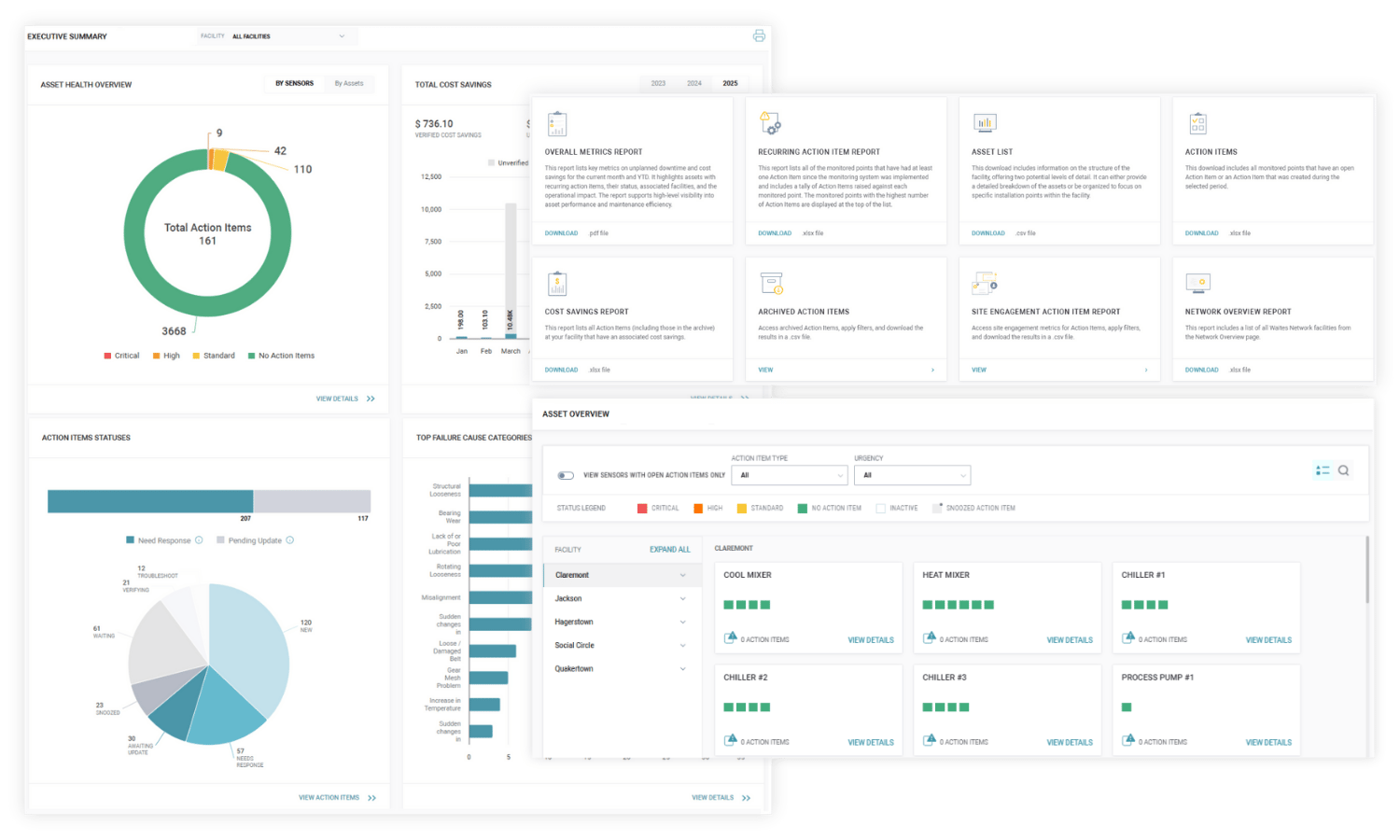
Get early, accurate detection without alarm fatigue. Our AI models are trained on 13+ trillion machine readings, and when combined with expert analyst oversight, identify real failure patterns.  

Prescriptive Insights
Make confident maintenance decisions using clear, prescriptive guidance from CAT II+ certified analysts who bring the accountability and clarity operations leaders expect.

Architecture That Scales
Keep equipment health in check with a high-density mesh network supporting thousands of sensors per gateway without signal degradation. Monitor individual assets, full facilities, or multi-site operations all within a single system.

SV5 VS SM7: WHICH WAITES SENSOR SHOULD YOU USE?

TL;DR: Choose SM7 for scalable, wireless, full-spectrum monitoring across most assets, and choose SV5 for tight, enclosed, or hard-to-reach areas where wireless sensors are not practical.


SM7 Wireless Sensor

SV5 Tethered Sensor

Primary Use Case

Early, proactive fault detection; low-speed asset monitoring

Tight or hard-to-reach locations; conveyance; higher temperature range

Connectivity

Fully wireless

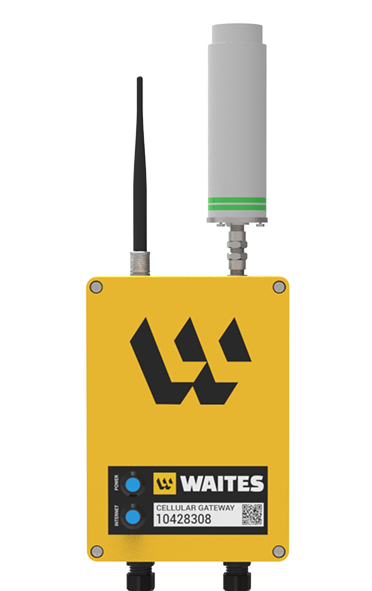
Tethered (10-ft cable); Powered by Waite Wireless Node with a very low power draw

Form Factor

2.6 in x 1.35 in

Ultra-compact (0.53 in x 0.53 in)

Frequency Range

Up to 11.2 kHz with 88 kHz decimated sample rate; ImpactVUE® ultrasonic demodulation up to 44 kHz

Up to 6.4 kHz Fmax

Asset Health Metrics

Tracks 38 asset health metrics, including temperature, acceleration, velocity, peak-to-peak, crest factor, FFTs, time waveforms, and ImpactVUE® metrics

All metrics except ImpactVUE®

Strength

Scale + advanced diagnostics

Access + reliability in constrained environments

DON'T TAKE OUR WORD FOR IT

Waites has become a core part of our reliability program. Across 600+ assets, we’re consistently detecting vibration-related issues early and addressing root cause issues, avoiding 483 hours of downtime in one year alone. 

Matthew A. McLaughlin, CRE
Reliability Superintendent, Domtar

The metrics speak for themselves. I sleep at night because I'm not getting calls at 3 or 4 in the morning because a large piece of equipment has gone down.

Sr. Maintenance Manager
Automotive EV Manufacturer

Waites has changed how we plan maintenance. We can now schedule work on our terms instead of reacting to breakdowns. 

Corporate Reliability Manager
Wood Products Manufacturer

Installing the Waites system was one of the easiest decisions we’ve made. It’s a small investment compared to the $11 million we saved. 

Jelle Willems
Reliability Engineer, Owens Corning
mote

SENSOR MOTE

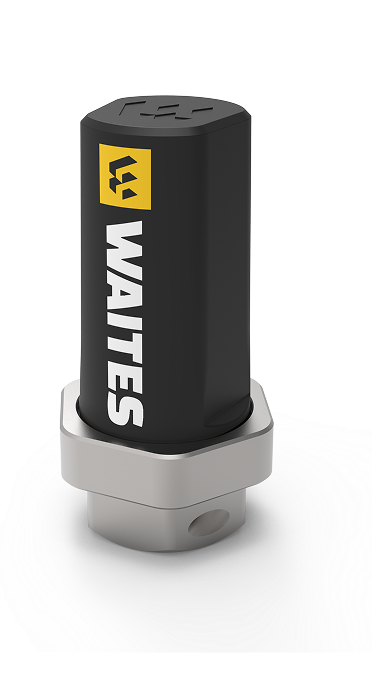
This high-frequency, high-G, 3-axis wireless vibration sensor will keep your equipment running properly, and alert you long before unexpected failures occur. This all-in-one condition monitoring device is rated intrinsically safe and made to withstand the harshest conditions, including C1D1 environments. 

  • ​Advanced sensors designed for continuous, real-time equipment monitoring. 
  • Detects vibration, temperature, and other key performance metrics to identify potential issues across 3 axes ​.​ 
  • Compact, durable, and easy to install on a wide range of equipment. 
  • Collects accurate, high-frequency data to ensure comprehensive machine health analysis. 
  • ​Built to withstand harsh industrial environments

02 DATA TRANSFERING

TETHERED SENSOR

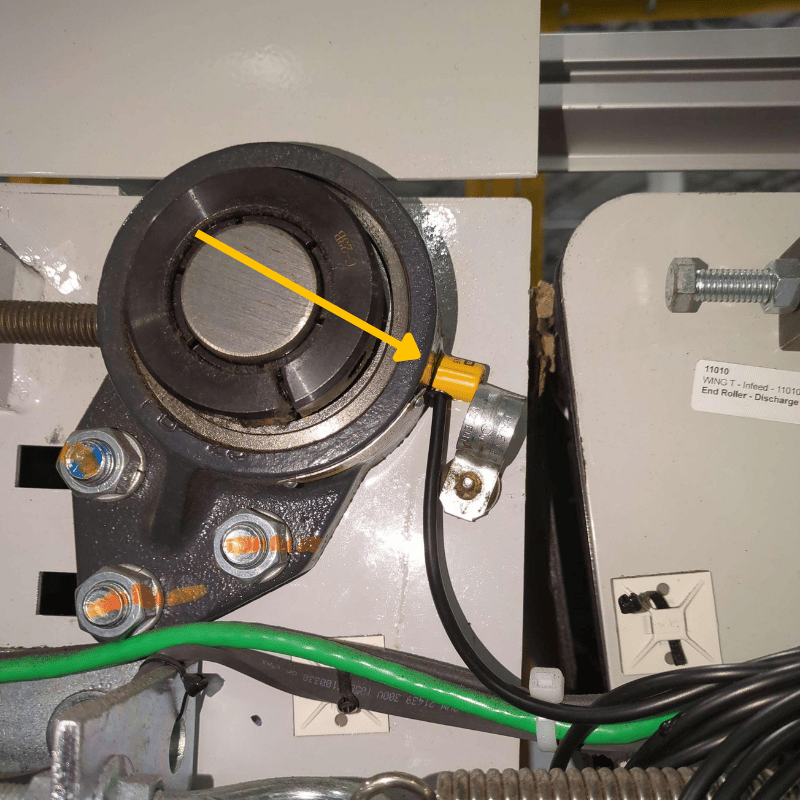
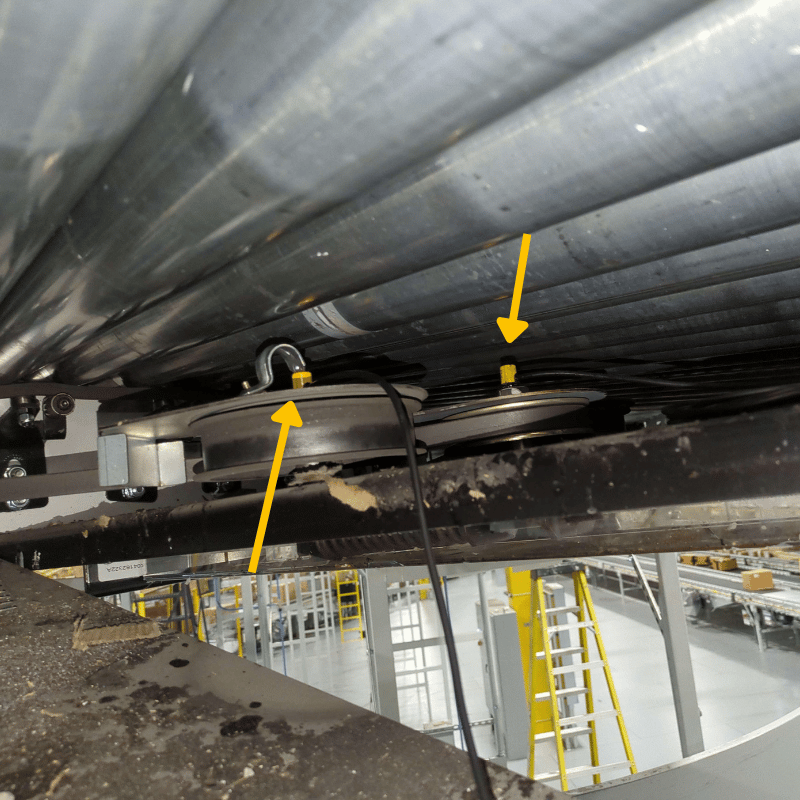
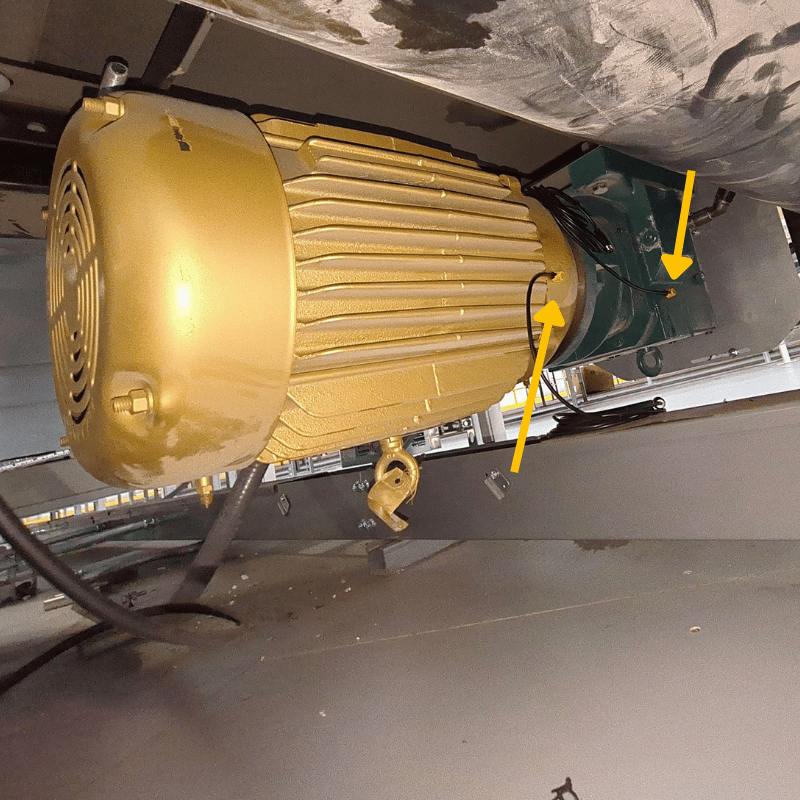
The Waites tethered sensor is an ultra-compact, high-precision device that plugs directly into a node, enabling expanded coverage without requiring additional wireless connections. Its small form factor allows for placement in tight or complex spaces, ensuring comprehensive monitoring of critical assets while maintaining seamless data integration. Tethered sensors enable placement in hard to access locations including environments with high-speed rotating machinery and do not require batteries.

gateway
gateway

02 DATA TRANSFERING

WAITES UNIVERSAL ADAPTER

The Waites Universal Adapter is a powerful expansion tool that enables seamless integration with third-party sensors, allowing businesses to ingest additional data for a more comprehensive view of equipment health. By extending Waites’ predictive maintenance capabilities beyond its proprietary sensors, the Universal Adapter ensures organizations can leverage existing infrastructure while enhancing operational insights. 

  • Broad Compatibility: Integrates with almost any third-party sensor to pull in critical equipment data. 
  • Enhanced Equipment Visibility: Aggregates multiple data sources for a complete, real-time picture of asset health. 
  • ​Scalable & Flexible: Captures data one type at a time, allowing targeted analysis without overwhelming systems. Can ingest any type of data – such as pressure and flow – and integrate it with the Waites system.  
  • By utilizing the Waites Universal Adapter, organizations can maximize the value of their existing sensor investments while ensuring a holistic and proactive approach to predictive maintenance.

FREQUENTLY ASKED QUESTIONS

What is a tethered condition monitoring sensor?

A tethered sensor uses a physical cable connection to transmit data, providing more consistent signal reliability in environments where wireless communication may be limited. 

When should I use the Waites SV5 instead of a wireless sensor?

Use the Waites SV5 tethered sensor when:

  • Space is limited
  • Equipment is enclosed or obstructed
  • Wireless connectivity is unreliable
  • A fixed connection is required
What problems does the SV5 solve?

The Waites SV5 tethered sensor is best suited for:

  • Enclosed machinery with limited mounting space
  • Equipment located inside guarding or housings
  • Assets in areas with poor wireless connectivity
  • Critical machines requiring consistent, direct data capture
What types of faults can the SV5 detect?

The Waites SV5 tethered sensor detects early indicators of:

  • Bearing failures
  • Imbalance
  • Misalignment
  • Lubrication issues
Does the SV5 work with the Waites AI platform?

 Yes. The SV5 integrates directly into the Waites platform, where AI models and analysts provide diagnostics and recommendations.


AN ECOSYSTEM YOU CAN TRUST

Eliminate unplanned downtime with Waites.

REQUEST A DEMO