SUCCESS STORY: PULP & PAPER HOW DOMTAR'S KINGSPORT MILL CUT UNPLANNED DOWNTIME BY 70% IN 18 MONTHS
$9.17M
10% to 3%
254
78K
MODERNIZING KINGSPORT MILL
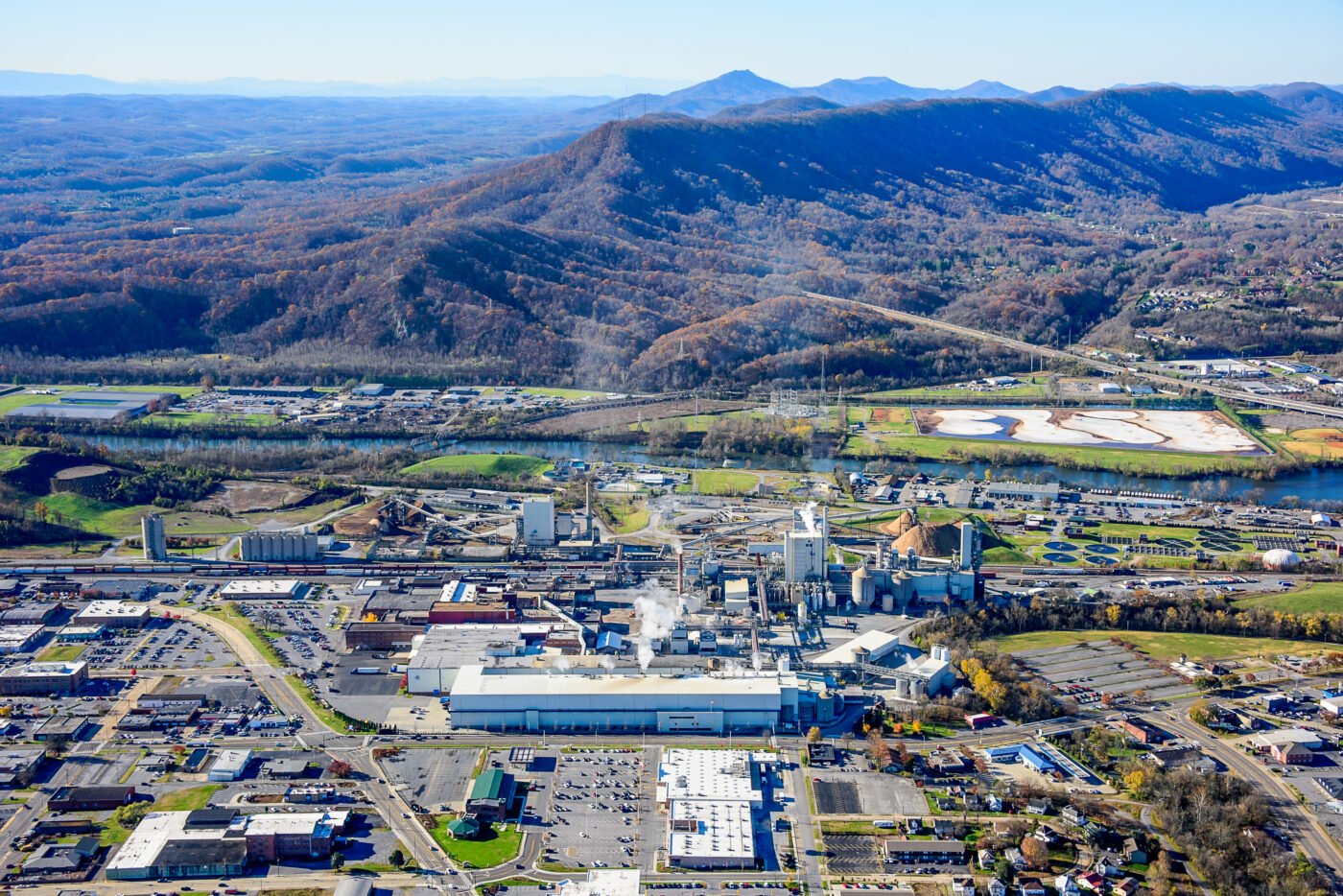
Domtar converted its Kingsport, TN facility into a modern packaging mill built for a leaner operating model but faced a common implementation challenge: the team had invested in a powerful condition monitoring system and wasn’t yet realizing its full value.
Sensors were running and collecting critical asset data, but the team needed a clearer way to turn those insights into maintenance decisions that saved time, reduced cost, and improved execution. Without that critical integration between data and plant-floor decisions, even the best system in the world will generate noise.
When Domtar Reliability Superintendent Matthew McLaughlin stepped in to lead the reliability program at the Kingsport Mill, he worked with Waites to build a more collaborative operating rhythm around analyst insight and plant-floor action. Over 18 months, that collaboration helped cut mechanical and electrical downtime from 10% to roughly 3%, without adding headcount to the reliability team.
I can’t stress enough that it’s really the integration of the team winning together, working to sustain operational reliability with proactive strategies. One person is not going to do it themselves.
WHEN COLLABORATION BECAME THE STRATEGY
Waites worked alongside the Kingsport team to build on existing reliability efforts, helping prioritize assets, understand what “normal” looked like for each machine, and establish a regular cadence for reviewing Action Items, providing additional context, and supporting next steps.
INSIDE THE RELIABILITY WAR ROOM
Step inside the door next to McLaughlin’s office at Kingsport and you’re in what the team calls the Reliability War Room, a dedicated physical space that functions as the central hub for everything reliability at the mill.
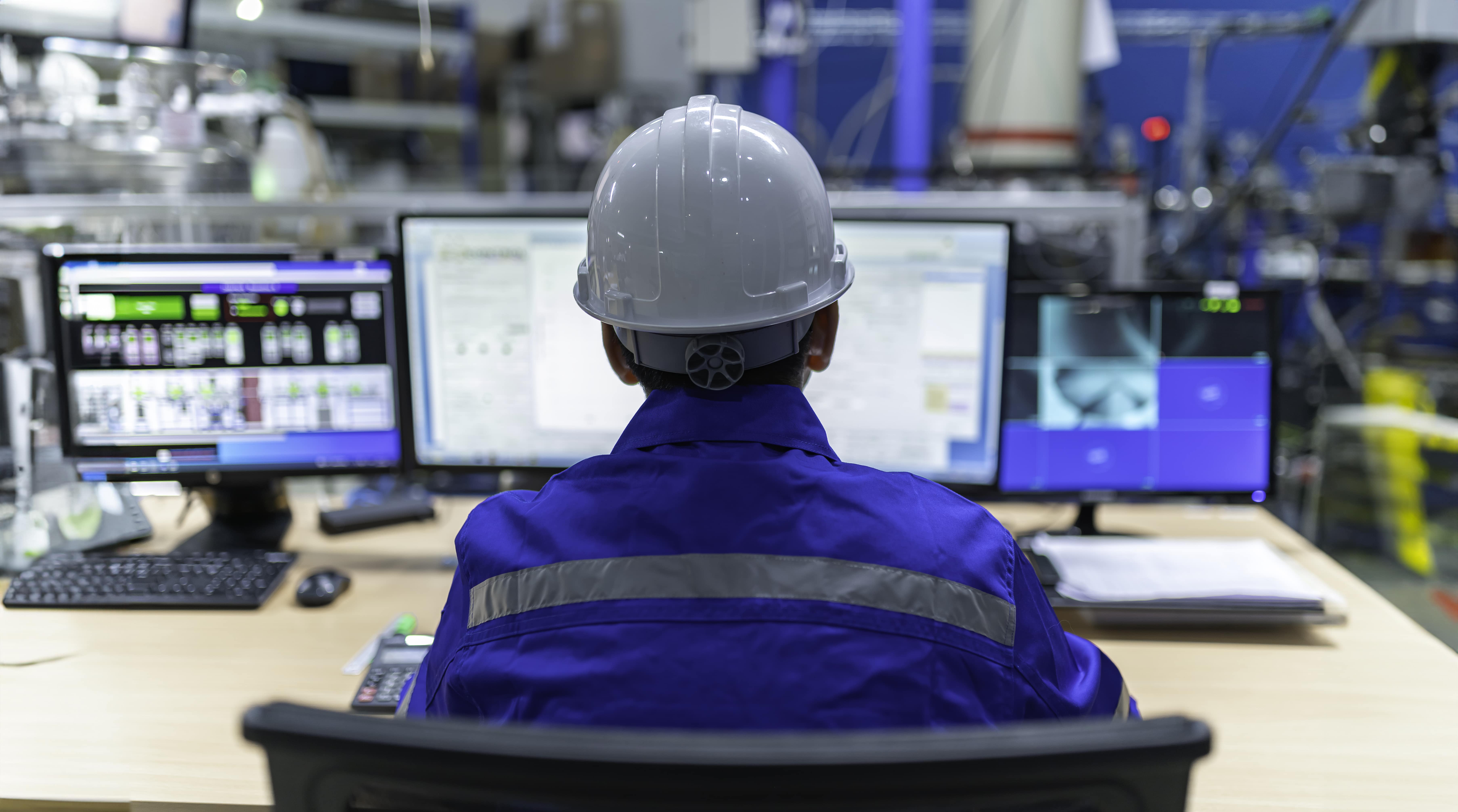
A 65-inch Waites dashboard screen anchors the room. Alongside it are two reliability technician stations: one for the vibration analyst and one for the ultrasonic and lubrication specialist. Each works within the Waites system while also contributing insight from their own specialized tools and techniques.
The workflow is collaborative by design. Waites analysts work alongside reliability engineers, lubrication specialists, vibration technicians, operators, and maintenance personnel to move from detection to corrective action quickly and with greater confidence.
Instead of reacting only after equipment begins failing, the team can now identify developing problems earlier, correlate vibration data against process conditions, validate issues in the field, and make operational adjustments before damage escalates into downtime.
WHAT THE PROGRAM DELIVERED AT KINGSPORT
$9.17M
~70%
676
254
1,138
$13.5K
WHY HUMAN ANALYSTS IMPROVE AI ACCURACY AND RELIABILITY
It is fair to ask: if the system is AI-powered, why are people in the loop? AI can flag a change in machine condition. But in any industrial environment, the real value comes from knowing what that change means, how urgent it is, and what action should happen next.
A fully automated system often surfaces too many alerts without enough context. Over time, that noise can make it harder for maintenance teams to know which issues need attention and which ones can wait.
We talk a lot about machine learning and AI and moving into the future, but not losing that human element—that’s a key component of our program’s success.
FROM ALERT TO REPAIR
Through a really rough time in the mill's startup cycle, I could rely on our partnership with Waites. And that helped me sleep at night.
COMMON QUESTIONS FAQs
Do I need to hire my own vibration analyst to use Waites?
No. Waites certified vibration analysts review AI-flagged alerts before Action Items are issued to maintenance teams. The analyst layer is an integral part of our solution, so your team receives validated findings and recommended actions without having to staff vibration expertise in-house.
What happens if a Waites analyst is unavailable?
Waites provides 24/7 analyst coverage with defined escalation paths. Each customer has a dedicated lead analyst, backed by a global team of CAT II - IV analysts, so Action Items do not stall when one analyst is off shift.
Will I be locked into Waites' ecosystem?
No. Waites provides a centralized dashboard that gives your team visibility into asset health, while also offering an API to integrate with systems you already use, like your CMMS. Wireless sensors easily install onto existing assets, and Action Items can be routed into your existing maintenance workflows for planning and execution.
Wired or wireless for aging equipment?
For most aging and legacy assets, wireless is the faster path to coverage. Waites wireless sensors can be installed without conduit, cabling, or major production disruption, making it easier to monitor more equipment across facilities.
How is predictive maintenance priced?
Predictive maintenance programs are typically priced based on asset count, sensor density, and facility complexity. Waites provides a custom ROI estimate for each facility, with most programs reaching payback in 3–6 months.